

Why You Should Drink Tequila: A Primer for National Tequila Day
Most alcoholic beverages are distilled from yearly-renewable fruits or grains, but tequila is different. Each drop of (good) tequila comes from a whole agave plant, which must be carefully tended for 8–10 years before it is ready to be harvested, by hand. This is not the case for barley used to make beer or the corn used to make bourbon, for example, and even grapes for wine and apples for brandy will appear in new crops each season, if well cared for.
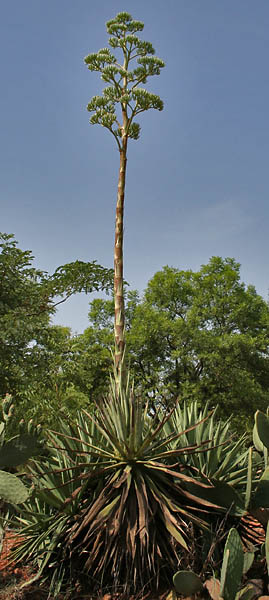 When the agave plant is ready, trained farmers called jimadores harvest the succulent and chop off the leaves, living the “jima.” This central portion of the plant — similar to the heart of an artichoke, only much larger — is what is used to make the booze.
Mezcal & History
Tequila was the first-ever commercially produced liquor, and has a long history. The Aztecs created pulque from the agave plant many centuries ago, and Spanish Conquistadores observed these practices and began distilling mezcal in the 1400s. In 1758, thanks to a grant from the King of Spain, José Antonio Cuervo became the first officially licensed manufacturer of the spirit.
By 1873, when Don Cenobio Sauza founded his now-famous distillery, the agave spirit being sold and shipped around the world was still actual mezcal wine — defined by the use of below-ground pits filled with wood that were used to roast the jimas before extracting sugars, leading to mezcal’s defining smoky flavor.
To keep up with increased demand, Sauza switched to above-ground ovens powered by steam, and not wood directly, which led to an easier product, albeit with a slightly different taste. This is the tequila we know today.
Mixto vs. 100% Agave
Today, because of protective regulations, all tequila must originate in Mexico, but not all tequila is the same. In recent decades, international macro-brands bought into Mexican distilleries and have flooded the U.S. market with a product that is not made entirely from the special agave plant — this is the stuff that is notorious for causing hangovers, and gave tequila a bad rap.
If you’re buying a bottle tequila, look for “100% agave” on the label. If that designation is missing, there’s a good chance the agave spirit was first shipped out of Mexico and cut with other alcohol — distilled from cane sugar or other grains, for example — and then packaged and sold as tequila. While this “mixto tequila” is legal and makes for a cheap bottle, it does not make for a good morning after.
Blanco, Reposado, Añejo
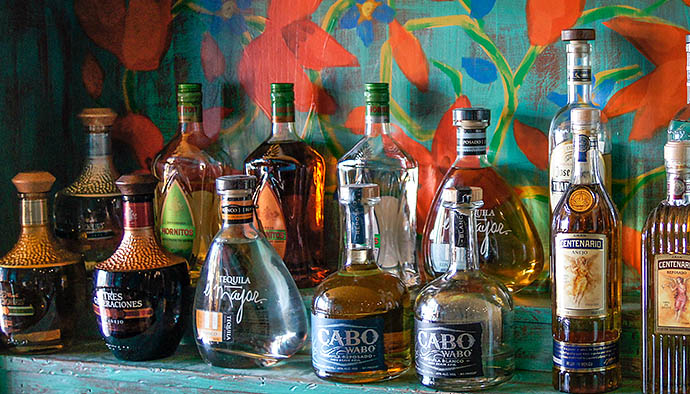
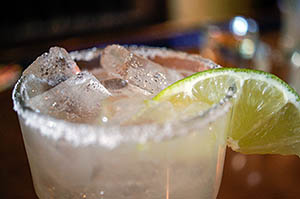 Tequila comes in three main types, defined by how long the spirit has been aged with wood. Blanco (sometimes also called “silver”) is simply the raw product of the fermented, distilled agave. Along with a strong punch of alcohol, the agave flavor comes through (if it’s not mixto), and this is often the type used in margaritas or other mixed drinks.
Reposado has been aged between two months to a year, and has a more pronounced flavor and a light gold tint. Añejo tequila is aged 1–3 years, and provides a smoother sip, appropriate for drinking neat, with a strong woody character. Recently, a new designation of “extra añejo” has come into use for tequilas aged longer than three years.
Armed with this primer, it’s time for a drink! What’s your favorite way to sip tequila?